Don't get sun baked this summer!
As exciting as it is when the sun makes its long-anticipated comeback, there are various safety precautions we should all take to ensure that the sun not only doesn’t ruin our summer but also doesn’t risk ruining much more.
Protect yourself and your family this summer with our sun care advice!

We all need a little bit of sunshine, we can’t live without it; the sun represents holidays, rest and relaxation, it gives us energy and intensifies our good mood. Exposing your bare skin to the sun for short periods of time can actually be beneficial. This is because the sun stimulates our production of vitamin D, which is important for developing and maintaining healthy bones.
However, sunburn increases the risk of skin cancer. One way to protect your skin against sunburn is to use sun cream whenever you are outside. You can burn in the UK, even when it is cloudy, so sun cream shouldn’t be used just for holidays abroad.
When buying sun cream, the label should have:
A sun protection factor (SPF) of at least 30 to protect against UVB
At least 4-star UVA protection
Take extra care to protect babies and children from the sun as their skin is much more sensitive than adult skin. Use a sun cream with a high SPF and apply it liberally and frequently. Children aged under 6 months should be kept out of direct strong sunlight.
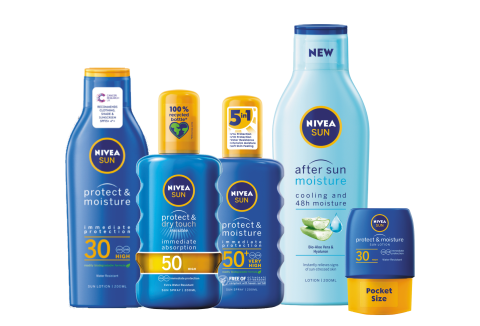
7 simple sun protection habits to protect your skin from UV damage
1. Wear UV sun protection clothing
When spending time outdoors, especially in direct sunlight, it’s important to cover up as much as possible with long sleeves and trousers, ideally with clothing that is lightweight and dark. Dark colours absorb UV rays more than lighter colours. UPF clothing especially is best when it comes to protecting your skin.
2. Stick to the shade
The shade is your friend. Sticking to the shade is a much safer option than sitting in direct sunlight, especially between 11 am and 3 pm. It doesn’t protect you completely from sunburn, but the strength of the UV rays is lessened considerably.
3. Use at least factor 30 sun cream
Factor 30 sun cream protects you from around 96% of UVB rays, essentially taking it 30 times longer for your skin to burn. Factor 30 sun cream is easily accessible at your local pharmacy. We recommend you apply sun cream 30 minutes before sun exposure.
4. Listen to your body
If sitting in the sun is beginning to feel like hard work, it’s because your body is probably telling you that it is! If you feel like you’re struggling, don’t ignore it; your body knows what it needs to do. What you need to do is listen to it.
5. Keep reapplying your sunscreen
Many people think that applying sun cream once before leaving the house is enough to protect you all day. Wrong. Just like make-up, sun cream will slowly rub off throughout the day, so it’s important to remember to keep reapplying it about every two hours, especially on your arms, legs, face, and the back of your neck. It’s especially important to top up your sun cream if you have been in the water.
6. Drink plenty of water
Make sure you get at least 2 litres a day. Sweating, drinking alcohol and sunbathing all deplete your hydration levels, making your skin appear dry and dull
7. Check your moles and freckles
Make sure you are familiar with any moles or freckles you have and perform regular skin self-checks so you will notice any changes. If you do notice any changes, ensure you get these checked by a healthcare professional.
Frequently Asked Questions
Symptoms of sunburn
- Skin feels hot to the touch
- Skin is sore or painful
- Skin is flaking or peeling
- Whiter skin appears red or pink
Severe sunburn symptoms
- Blisters or swelling
- High temperature or fever
- Feeling of nausea, dizziness or tiredness
- Headache or cramp
Heat Exhaustion
Heat exhaustion is an immediate effect of too much sun; it’s not too serious, and you’ll usually begin feeling like your usual self after 30 minutes of cooling down. Symptoms include feeling tired and dizzy, feeling very thirsty, feeling weak, and cramps in the arms, legs and stomach. Ensure you have plenty to drink and stay in a cool area away from direct sunlight.
Sunstroke
Heat exhaustion can develop into sunstroke or heat stroke if you still feel unwell after 30 minutes of rest. This needs to be treated as an emergency. Symptoms of sunstroke include a very high temperature but no sweating, shortness of breath and confusion, and in very extreme cases, seizures, fits, and loss of consciousness.
Call 999 if someone has symptoms of sunstroke.
Skin Cancer
Melanoma skin cancer is mainly caused by prolonged exposure to ultraviolet light. Anyone can develop skin cancer, but some people are at higher risk, such as those with paler skin or a high number of moles. Skin cancer is preventable 90% of the time; even just being sunburnt once every two years triples your chance of melanoma skin cancer.
Skin cancer can usually be recognised as a new mole, or changes to existing moles, particularly in areas that are exposed to the sun. Surgery to remove the mole is the main form of treatment; however, if the cancer has spread to other areas of the body, chemotherapy and radiotherapy are alternative treatment methods.
Sunburn tends to last for approximately seven days if you stay out of the sun after experiencing symptoms. If you continue to expose yourself to the sun after already burning, the severity of the sunburn will increase and last longer.
If you have found you’ve caught the sun a tad too much, there are various things you can do to treat it and take care of your skin so that you can continue to enjoy the summer.
- Get out of the sun ASAP
- Cool your skin with a damp cloth or cool shower – don’t use ice!
- Cover sunburnt skin with loose clothing to allow it to air
- Continue to use sun cream
- Apply after-sun cream
- Take painkillers such as paracetamol or ibuprofen
More from Rowlands Pharmacy
We have over 300 pharmacies across the UK, find your nearest one using our pharmacy finder
This pouch-based system is a simple and convenient way of administering and keeping track of medication
We have a wide range of services available, from medication management to vaccinations